A Conversation About Mindset
Be the person who makes things happen.

The Question
It's not talent. It's not luck. It's not connections.
It's an attitude. And it can be learned.
Definition
"High Agency is about finding a way to get what you want, without waiting for conditions to be perfect or otherwise blaming the circumstances."
High Agency people either push through in the face of adverse conditions or manage to reverse the adverse conditions to achieve their goals.
The Litmus Test
"When you're told that something is impossible, is that the end of the conversation, or does that start a second dialogue in your mind?"
— Eric Weinstein
Eric Weinstein popularized the term "High Agency" to describe people who refuse to accept the default reality. For them, "no" is just the starting point of a more creative conversation.
The Ultimate Filter
"When you put a high agency person in a bad situation, they find a way to turn it around. When you put a low agency person in a good situation, they find a way to squander it."
— George Mack
High Agency isn't about your starting hand. It's about how you play the cards you're dealt.
The Framework
Brilliant but blames the system. Might have a success or two, but ultimately capitulates.
Rare, expensive, transformative. The people who bend reality and move the needle.
Low impact, low drive. Goes with the flow.
Makes up for gaps with sheer agency. Often becomes a Game Changer over time.
When hiring: always prefer Go Getters over Frustrated Geniuses.
Why It Matters
Game Changers aren't common. But here's the good news: Go Getters become Game Changers through agency.
Talent is distributed. Agency is a choice. The multiplier is: Impact = Talent × Agency. You can grow both.
You don't need to be the smartest person in the room. You need to be the one who finds a way.
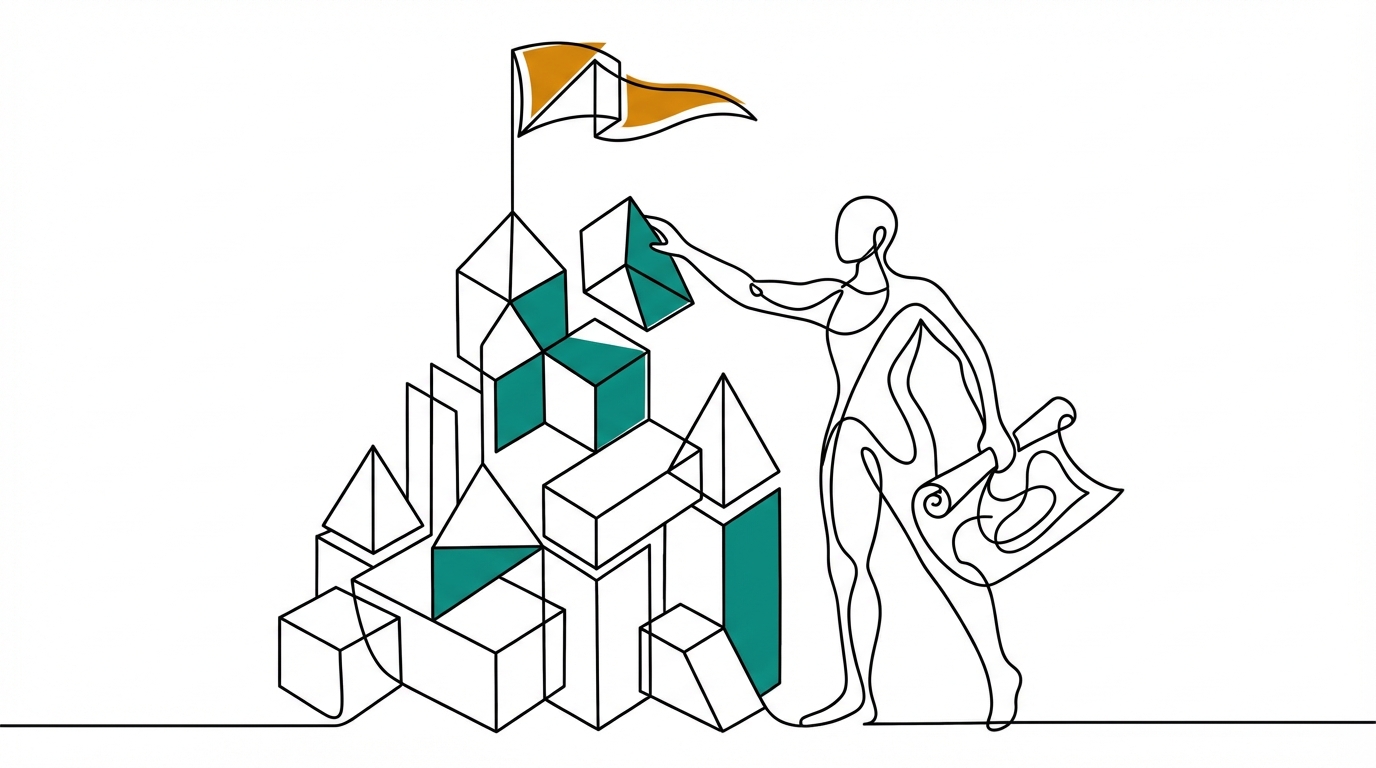
In Practice
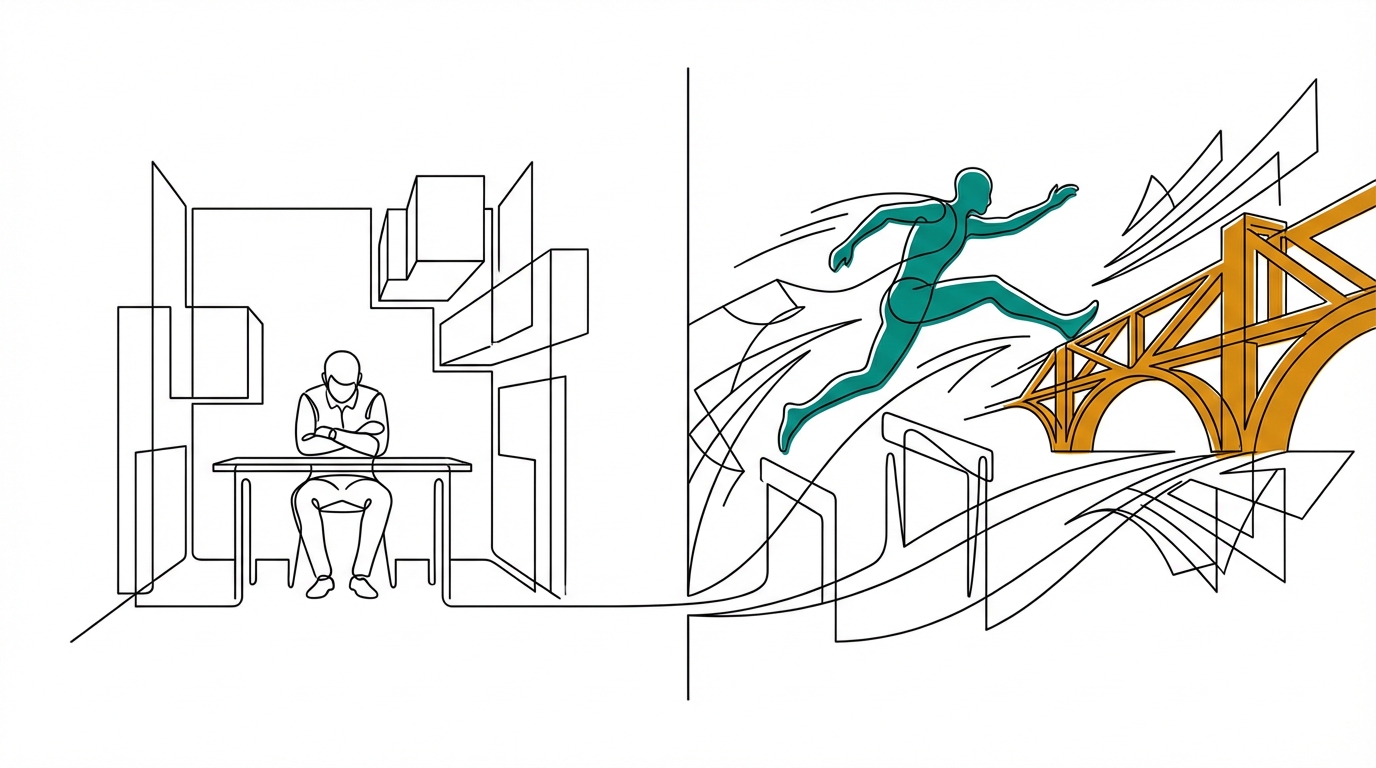
Self-Awareness
Your language reveals your agency. Every word is a choice between surrender and action.
"There's nothing I can do"
"That's just the way I am"
"They won't let me"
"I have to do this"
"I can't"
"If only..."
"Let me look at my alternatives"
"I can choose a different approach"
"I'll find a creative solution"
"I choose to do this"
"I will find a way"
"Next time, I will..."
Adapted from Stephen Covey's "The 7 Habits of Highly Effective People"
The Covey Model
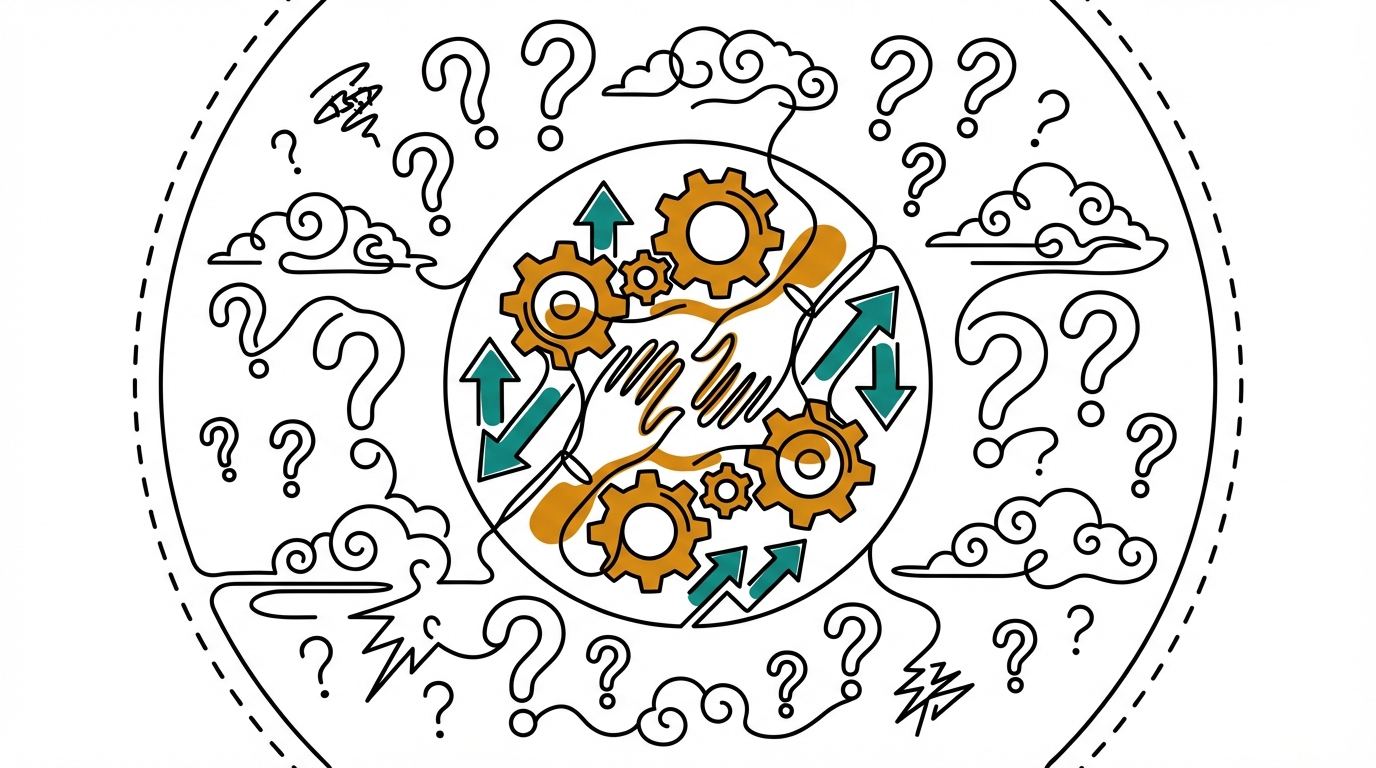
Low Agency people spend energy on their Circle of Concern — politics, the economy, other people's opinions. Things they can't change.
High Agency people invest energy in their Circle of Influence — their skills, their work, their relationships. Things they can shape.
The more you focus on what you can control, the more your circle of influence expands.
The Blueprint
High Agency can be decomposed into 6 learnable components — 3 internal mindsets and 3 external behaviors.
How you think
Ownership
Resilience
Ego Detachment
How you act
Bias for Action
Creative Problem-Solving
Influence Without Authority
Mindset 1
The foundation of all agency. Ownership means you own the outcome, not just your task list. Everything downstream flows from this.
Mindset 2
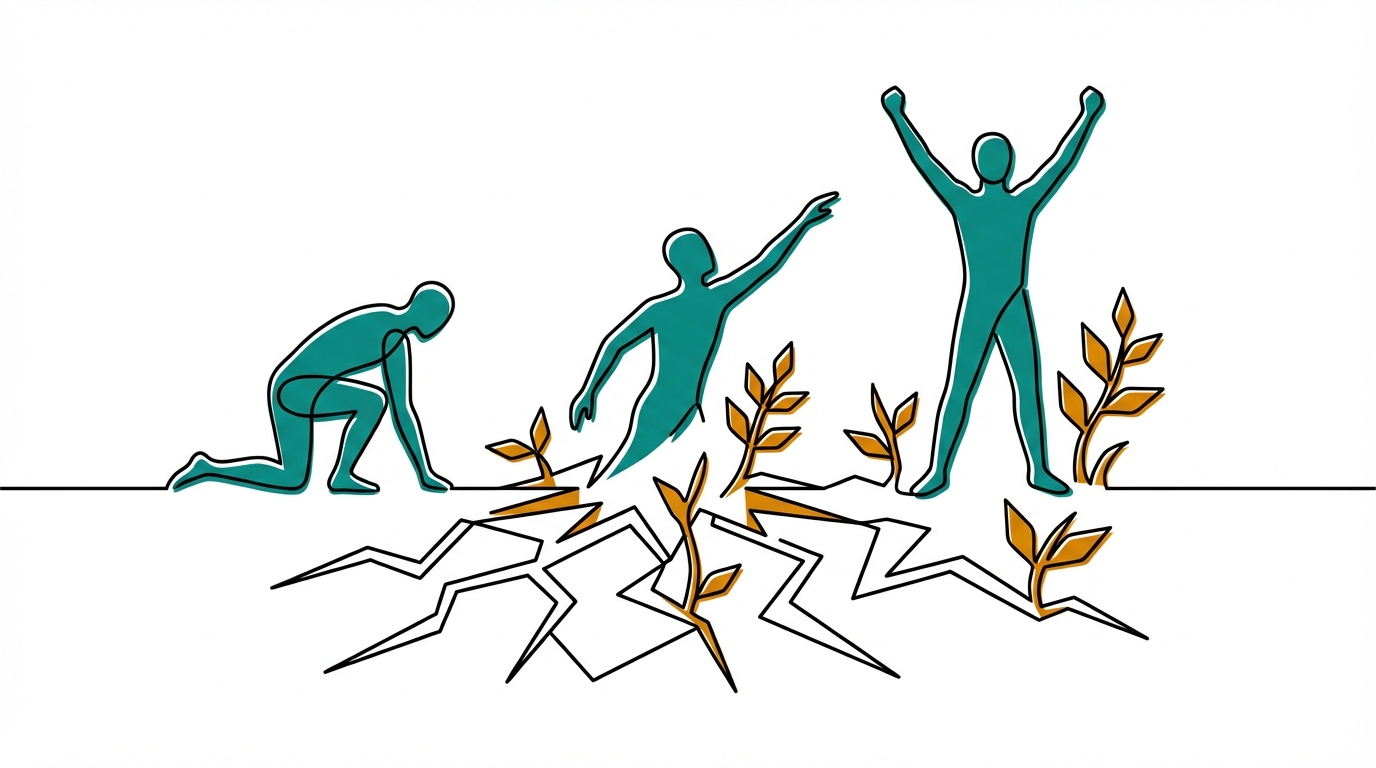
Setbacks are data, not verdicts. High Agency people bounce back faster each time because they treat failure as a teacher, not a judge.
Mindset 3
Most people don't lose agency because they lack talent. They lose it because they got negative feedback once — and took it personally. The sting made them play it safe forever after.
"It's not the critic who counts. The credit belongs to the one who is actually in the arena." — Theodore Roosevelt
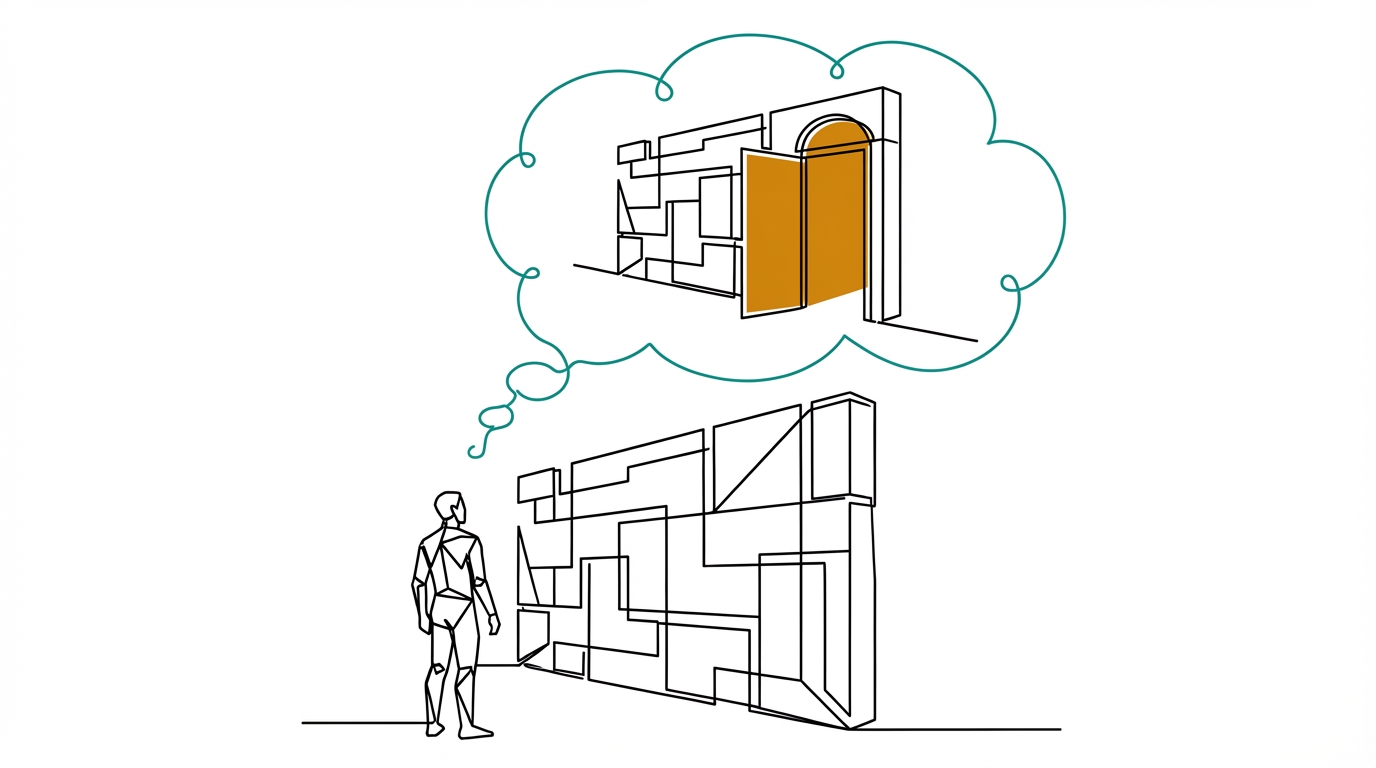
Behavior 1
The antidote to analysis paralysis. Default to doing, not debating.
"The best time to plant a tree was 20 years ago. The second best time is now."
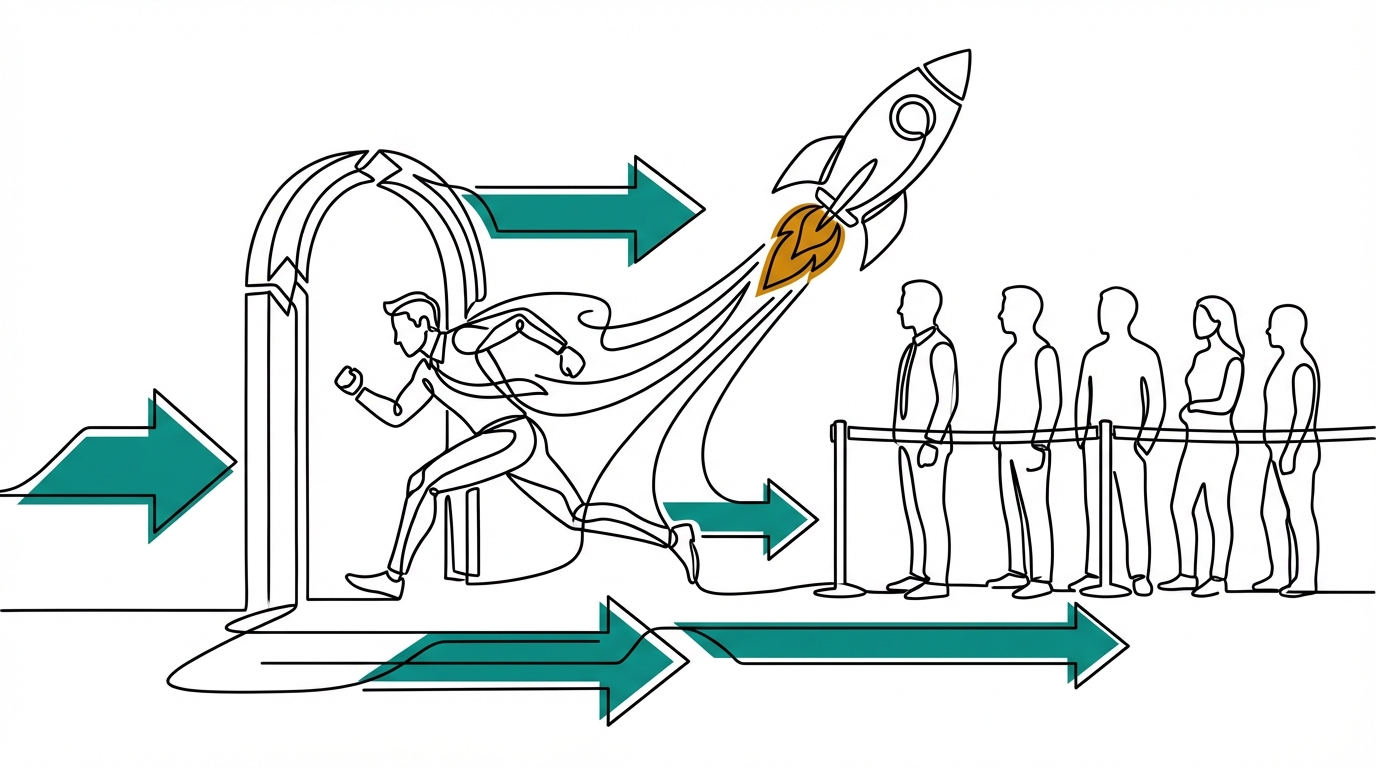
Behavior 2
Two moves in one: reframe the problem until it's solvable, then Jugaad your way to a solution. Can't go through the wall? Ask why the wall exists — then build a door from scraps.
"We can't afford a designer"
"What tool makes us look like we have one? Ship it tonight."
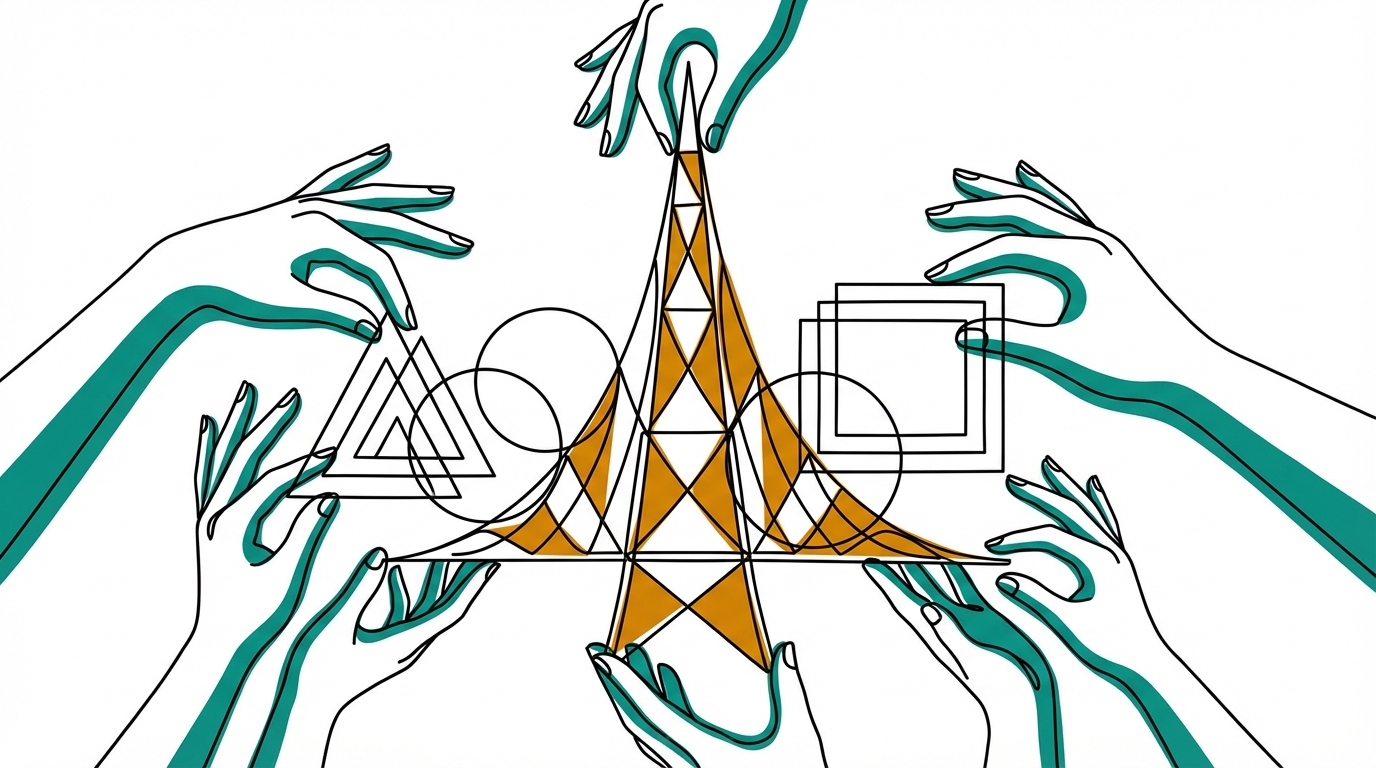
Behavior 3
Most of the time, you won't have positional power. High Agency people don't need it — they move people through influence, not org charts.
You don't need a title to lead. You need a result that makes people want to follow.
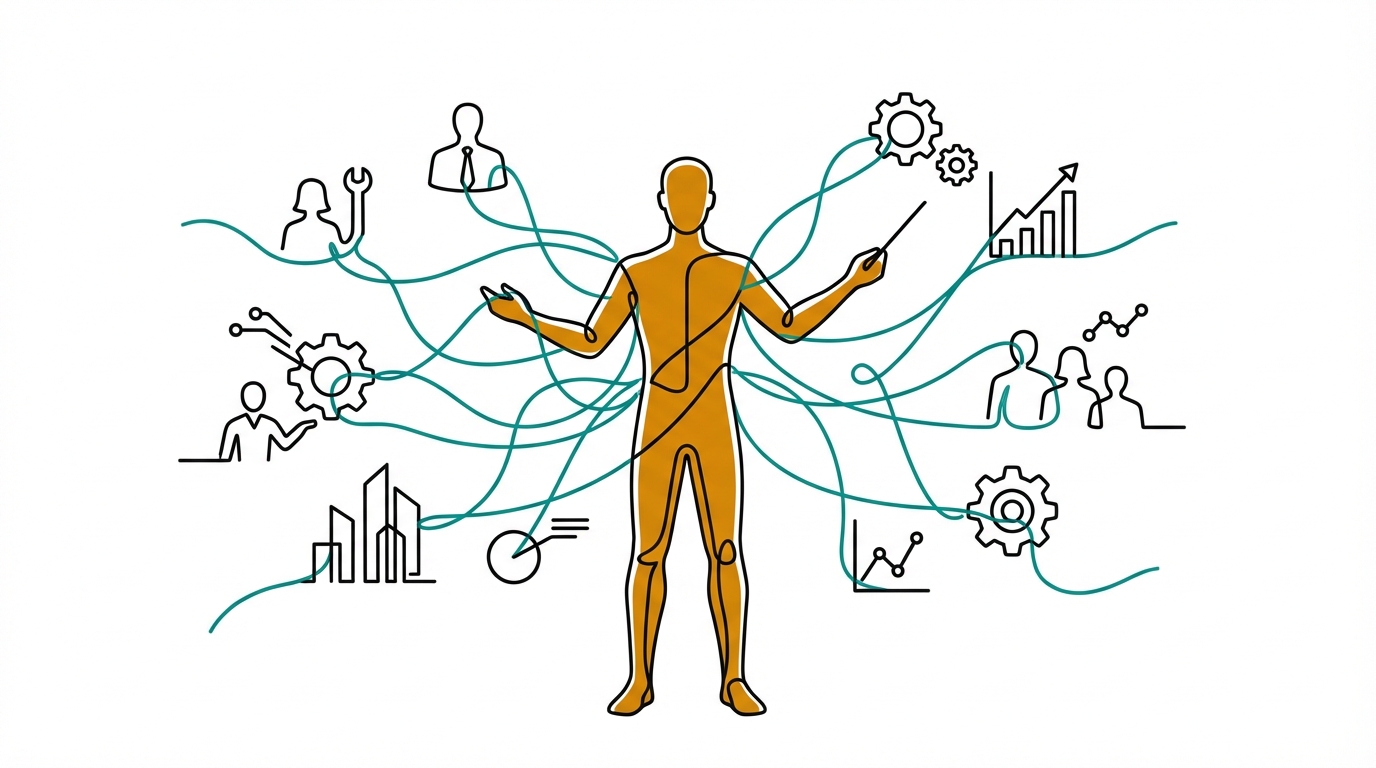
High Agency in the Wild
Gets told "this market is too small." Reframes the market definition, finds an adjacent billion-dollar opportunity, and builds for that.
Can't get approval for a new tool. Builds a weekend prototype. Ships it internally. Usage grows organically. Gets retroactive approval.
Team is understaffed. Instead of complaining, restructures priorities, automates low-value work, and over-delivers with half the team.
Notices a broken process on day 3. Instead of waiting to "earn the right," documents the issue, proposes a fix, and volunteers to implement it.
Stakeholders can't agree on priority. Instead of escalating, runs a quick customer test, brings back data, and lets the evidence decide.
Given a boring task. Automates it in 2 hours, then asks for more challenging work. Turns a throwaway internship into a full-time offer.
Non-Negotiable
High Agency without integrity is dangerous. Agency is a power tool — it amplifies whatever character sits behind it.
High Agency
+ Integrity
= Trust & Impact
High Agency
− Integrity
= Manipulation
Starting Today
Catch yourself using reactive language 5 times. Reframe each one on the spot.
Pick one stuck project. Apply Jugaad — find a scrappy path forward. Ship something.
Own an outcome that isn't in your job description. Expand your Circle of Influence.
When you see a problem, ask: "What would High Agency Alice do?" Then do that.
High Agency isn't inscrutable magic. You can learn it.
And it will be profoundly rewarding — for you and everyone around you.
The world needs more people who refuse to accept the default.
Inspired by the work of
Shreyas Doshi · Eric Weinstein · George Mack · Stephen Covey · Theodore Roosevelt